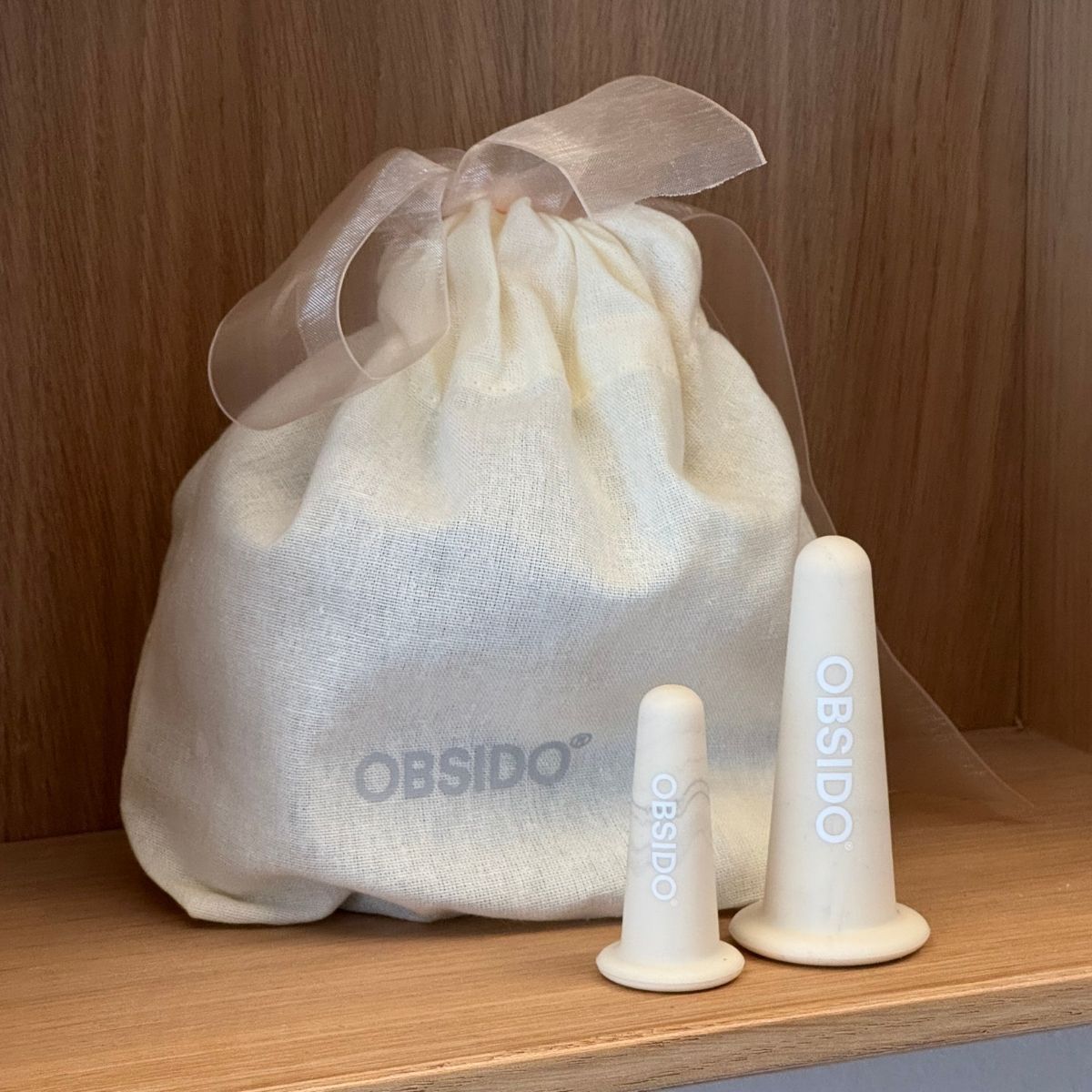
Have you bought a facial cup but are still unsure about pressure, direction, and sequence? You're not alone. Facial cupping should feel comfortable and controlled—it shouldn't leave your skin sore or with noticeable marks. In this guide, you'll learn a simple routine for at-home facial cupping. You'll also get answers to questions like which size cup to choose, how often you can use it, and which mistakes to avoid. What is facial cupping? Facial cupping is a form of facial massage where a soft cup creates a light vacuum against the skin. As the cup moves across the skin, it mechanically affects the skin and tissue. Research on cupping shows that negative pressure can temporarily increase local blood circulation, but research into long-term cosmetic results from facial cupping is still limited. Therefore, view facial cupping as a regular self-care ritual—not as a medical treatment or a promise of permanent changes. What you'll need A clean facial cup in a size appropriate for the area. A cleansing product to ensure the skin is free of makeup and dirt. A product with sufficient glide that suits your skin type. A mirror and a few quiet minutes. The larger cup is typically suitable for the neck, jawline, cheeks, and forehead. A mini facial cup offers more control for smaller areas such as around the mouth and along the brow bone. Never use the cup directly on the eyelid. How to use a facial cup step by step Cleanse your skin and the cup. Both must be clean before use. Create glide. Apply a suitable product so the cup can move without pulling the skin. Start with a light vacuum. Gently squeeze the cup, place it on the skin, and release just enough to create a mild grip. Keep the cup moving. Guide it in slow, steady strokes. Do not leave it stationary in one spot. Work systematically. Begin at the neck, continue to the jawline and cheeks, and finish at the forehead. Finish gently. Assess your skin as you go. Stop if it becomes painful, very red, or irritated. A simple sequence Neck: Use light strokes and avoid the front of the neck. Jawline: Move the cup from the chin towards the ear. Cheeks: Work from the center of the face outwards. Forehead: Guide the cup from the center towards the temples. It's better to repeat a few calm strokes than to work quickly or with strong suction. How much suction should you use? More suction does not equal better results. Facial skin requires gentler pressure than the body. The cup should glide easily, and the treatment should feel comfortable. Noticeable marks, pain, or soreness are signs that the pressure was too strong or that the cup was left stationary for too long. Can facial cupping cause bruises? Yes, too much suction or a stationary cup can cause bruising in the skin. This is not the goal of facial cupping, nor is it a sign that "toxins" are leaving the skin. Use less vacuum, keep the cup moving, and stop if the area becomes painful or clearly discolored. How often can you do facial cupping? Start with a few minutes once or twice a week to see how your skin reacts. If your skin thrives with the routine, you can gradually adjust. Your skin condition is more important than a fixed number of treatments. Five mistakes to avoid Using the cup on dry skin without sufficient glide. Creating too strong a vacuum. Leaving the cup stationary on the skin. Going over an already red area many times. Using a cup that has not been cleaned. When should you take a break? Avoid facial cupping on open wounds, skin infections, sunburn, or very irritated skin. Be extra careful with active inflamed acne, a tendency to bruise easily, or if you are taking blood-thinning medication. If you have had injection treatments, laser, peeling, or other cosmetic treatments, you should follow your practitioner's instructions on when facial massage is safe again. If you are in doubt due to a skin condition or medical treatment, you should consult your doctor or relevant practitioner first. How to clean your facial cup Wash the cup after each use with lukewarm water and mild soap. Rinse thoroughly and let it air dry completely on a clean surface. Do not share your facial cup with others. Which Obsido facial cup should you choose? Velvet Facial Cup is a soft, flexible cup for larger areas of the face. Velvet Mini Facial Cup provides more precision for smaller areas. Seashell Facial Cups Duo Set combines a large and a small cup and can be used as both a cupping and massage tool. If you want to be confident in the technique, you can also check out our current facial cupping workshops, where you can learn the routine in practice. The most important things to remember Use light suction, ensure glide, and always keep the cup moving. A short and pleasant routine that you actually repeat is better than an intense treatment that irritates the skin. Sources and professional disclaimer Research on cosmetic facial cupping is limited. Studies of cupping with negative pressure show a temporary increase in local blood circulation, but do not in themselves document permanent cosmetic results on the face. Patienthåndbogen på sundhed.dk: Bruises and extravasation in the skin Wang et al. (2020): pressure, duration, and skin blood flow during cupping Wang et al. (2020): measured changes in skin microenvironment during facial cupping
Have you bought a facial cup but are still unsure about pressure, direction, and sequence? You're not alone. Facial cupping should feel comfortable and controlled—it shouldn't leave your skin sore or with noticeable marks. In this guide, you'll learn a simple routine for at-home facial cupping. You'll also get answers to questions like which size cup to choose, how often you can use it, and which mistakes to avoid. What is facial cupping? Facial cupping is a form of facial massage where a soft cup creates a light vacuum against the skin. As the cup moves across the skin, it mechanically affects the skin and tissue. Research on cupping shows that negative pressure can temporarily increase local blood circulation, but research into long-term cosmetic results from facial cupping is still limited. Therefore, view facial cupping as a regular self-care ritual—not as a medical treatment or a promise of permanent changes. What you'll need A clean facial cup in a size appropriate for the area. A cleansing product to ensure the skin is free of makeup and dirt. A product with sufficient glide that suits your skin type. A mirror and a few quiet minutes. The larger cup is typically suitable for the neck, jawline, cheeks, and forehead. A mini facial cup offers more control for smaller areas such as around the mouth and along the brow bone. Never use the cup directly on the eyelid. How to use a facial cup step by step Cleanse your skin and the cup. Both must be clean before use. Create glide. Apply a suitable product so the cup can move without pulling the skin. Start with a light vacuum. Gently squeeze the cup, place it on the skin, and release just enough to create a mild grip. Keep the cup moving. Guide it in slow, steady strokes. Do not leave it stationary in one spot. Work systematically. Begin at the neck, continue to the jawline and cheeks, and finish at the forehead. Finish gently. Assess your skin as you go. Stop if it becomes painful, very red, or irritated. A simple sequence Neck: Use light strokes and avoid the front of the neck. Jawline: Move the cup from the chin towards the ear. Cheeks: Work from the center of the face outwards. Forehead: Guide the cup from the center towards the temples. It's better to repeat a few calm strokes than to work quickly or with strong suction. How much suction should you use? More suction does not equal better results. Facial skin requires gentler pressure than the body. The cup should glide easily, and the treatment should feel comfortable. Noticeable marks, pain, or soreness are signs that the pressure was too strong or that the cup was left stationary for too long. Can facial cupping cause bruises? Yes, too much suction or a stationary cup can cause bruising in the skin. This is not the goal of facial cupping, nor is it a sign that "toxins" are leaving the skin. Use less vacuum, keep the cup moving, and stop if the area becomes painful or clearly discolored. How often can you do facial cupping? Start with a few minutes once or twice a week to see how your skin reacts. If your skin thrives with the routine, you can gradually adjust. Your skin condition is more important than a fixed number of treatments. Five mistakes to avoid Using the cup on dry skin without sufficient glide. Creating too strong a vacuum. Leaving the cup stationary on the skin. Going over an already red area many times. Using a cup that has not been cleaned. When should you take a break? Avoid facial cupping on open wounds, skin infections, sunburn, or very irritated skin. Be extra careful with active inflamed acne, a tendency to bruise easily, or if you are taking blood-thinning medication. If you have had injection treatments, laser, peeling, or other cosmetic treatments, you should follow your practitioner's instructions on when facial massage is safe again. If you are in doubt due to a skin condition or medical treatment, you should consult your doctor or relevant practitioner first. How to clean your facial cup Wash the cup after each use with lukewarm water and mild soap. Rinse thoroughly and let it air dry completely on a clean surface. Do not share your facial cup with others. Which Obsido facial cup should you choose? Velvet Facial Cup is a soft, flexible cup for larger areas of the face. Velvet Mini Facial Cup provides more precision for smaller areas. Seashell Facial Cups Duo Set combines a large and a small cup and can be used as both a cupping and massage tool. If you want to be confident in the technique, you can also check out our current facial cupping workshops, where you can learn the routine in practice. The most important things to remember Use light suction, ensure glide, and always keep the cup moving. A short and pleasant routine that you actually repeat is better than an intense treatment that irritates the skin. Sources and professional disclaimer Research on cosmetic facial cupping is limited. Studies of cupping with negative pressure show a temporary increase in local blood circulation, but do not in themselves document permanent cosmetic results on the face. Patienthåndbogen på sundhed.dk: Bruises and extravasation in the skin Wang et al. (2020): pressure, duration, and skin blood flow during cupping Wang et al. (2020): measured changes in skin microenvironment during facial cupping